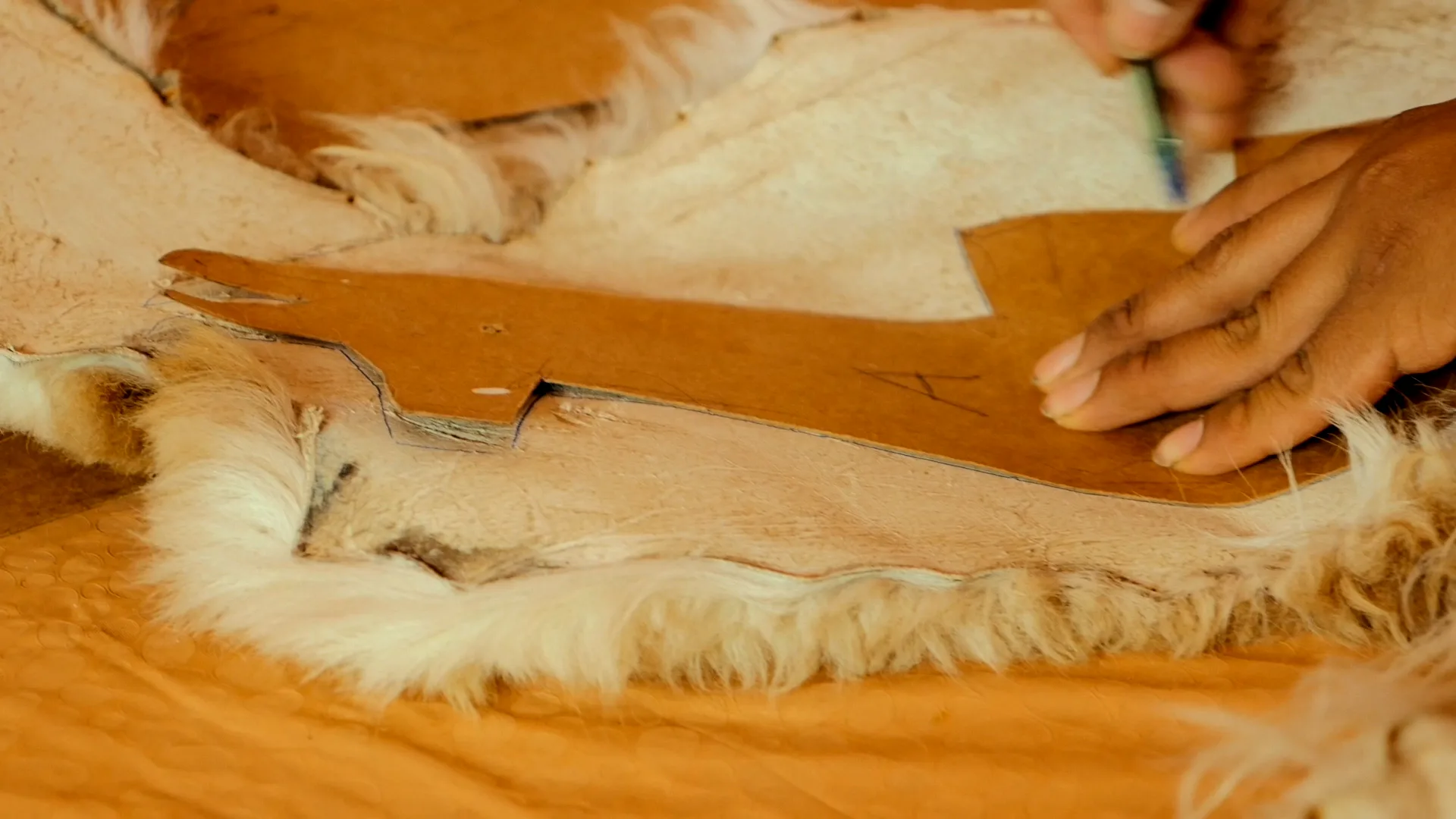
Making the art
The people before the pieces. Each film lets one artisan tell their own story. Where the craft came from. Who taught them. And why they kept going.
Passing it down
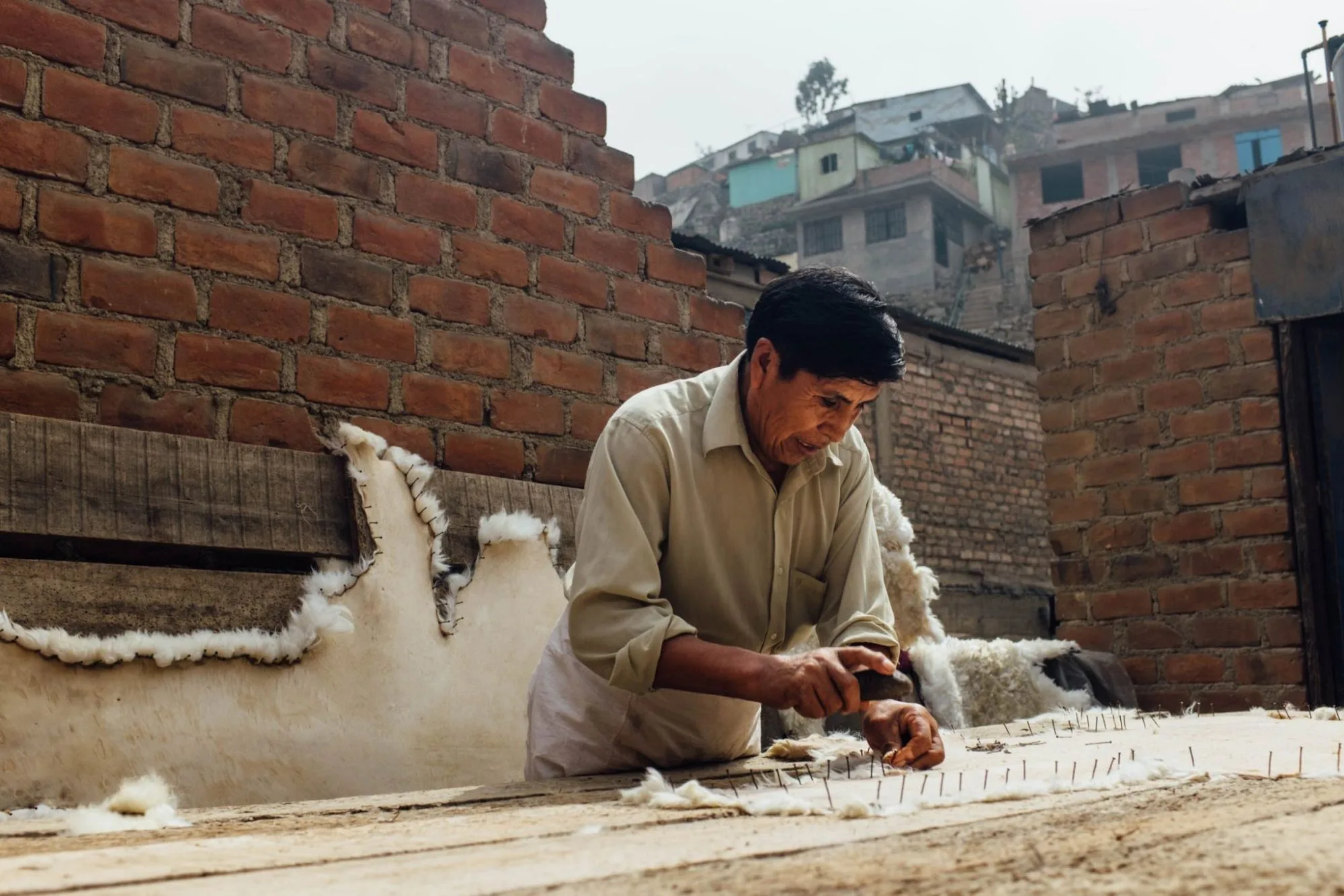
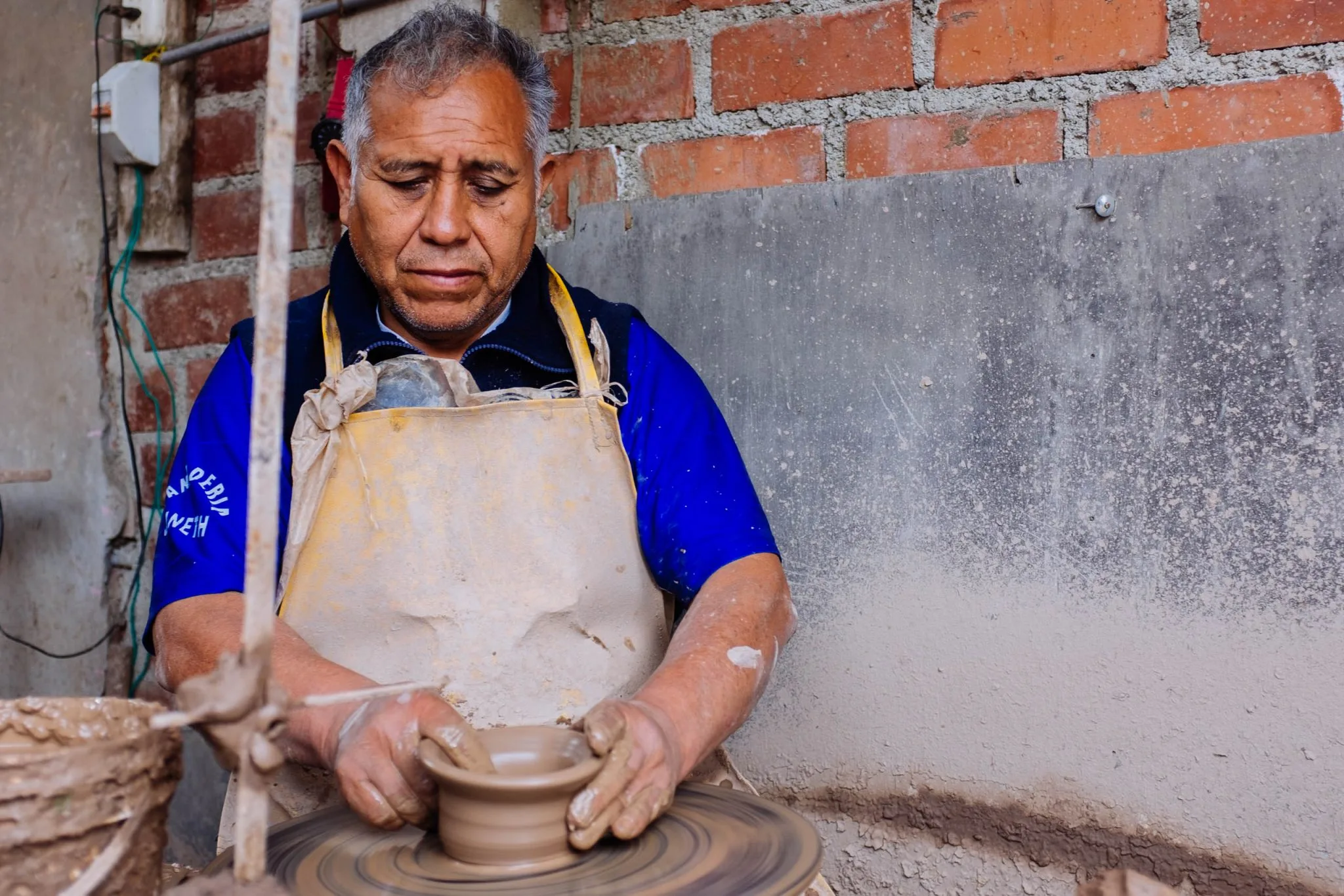
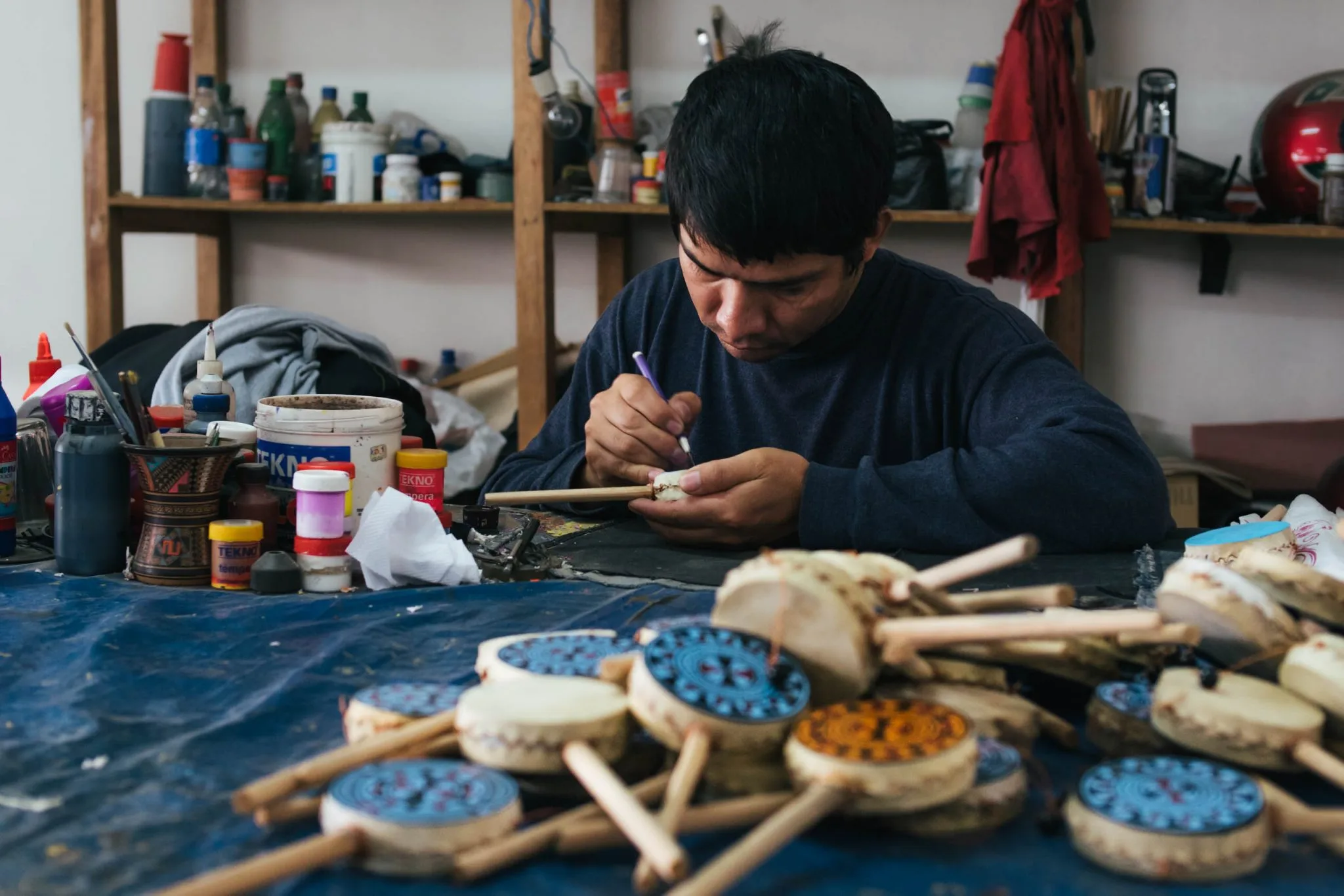
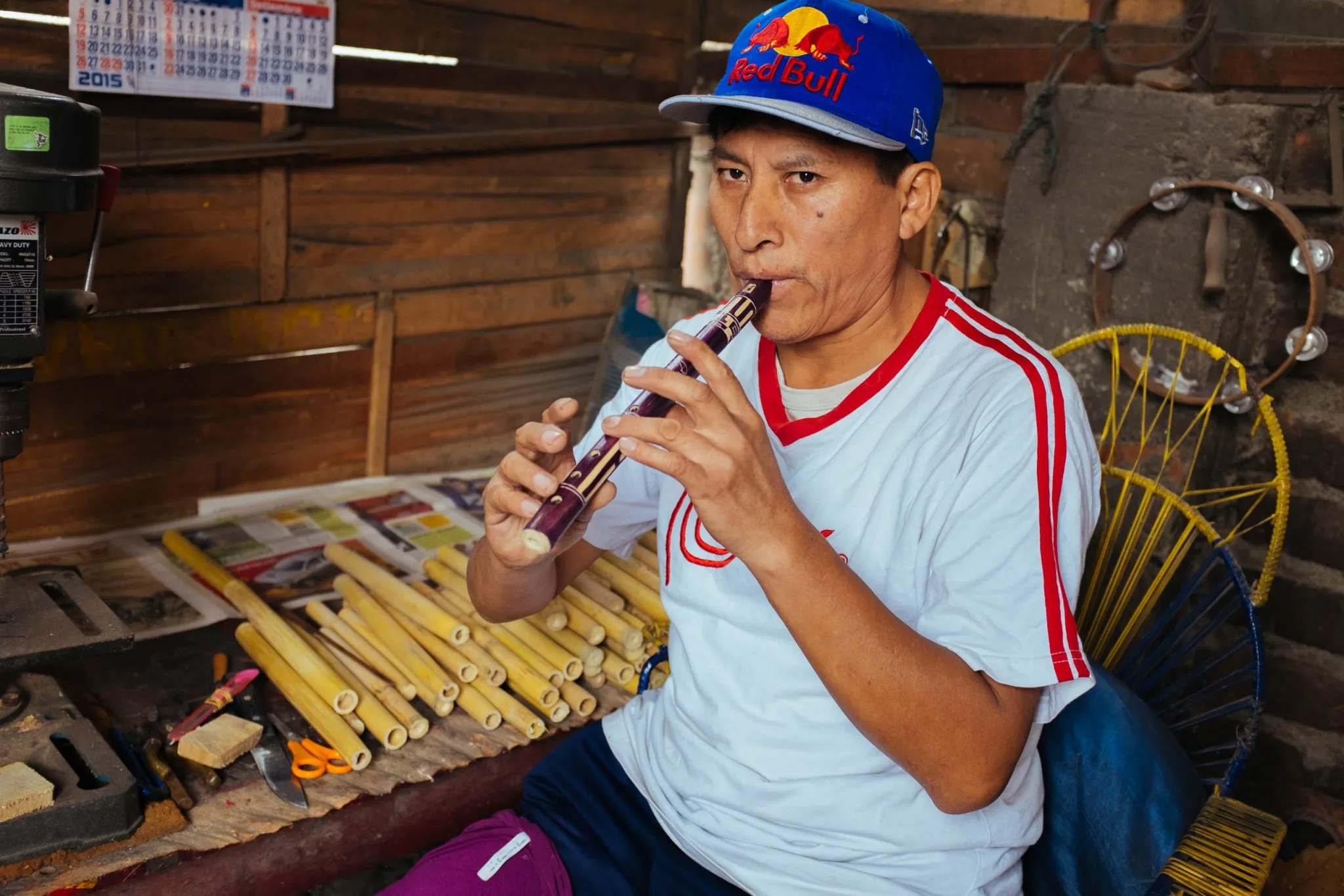
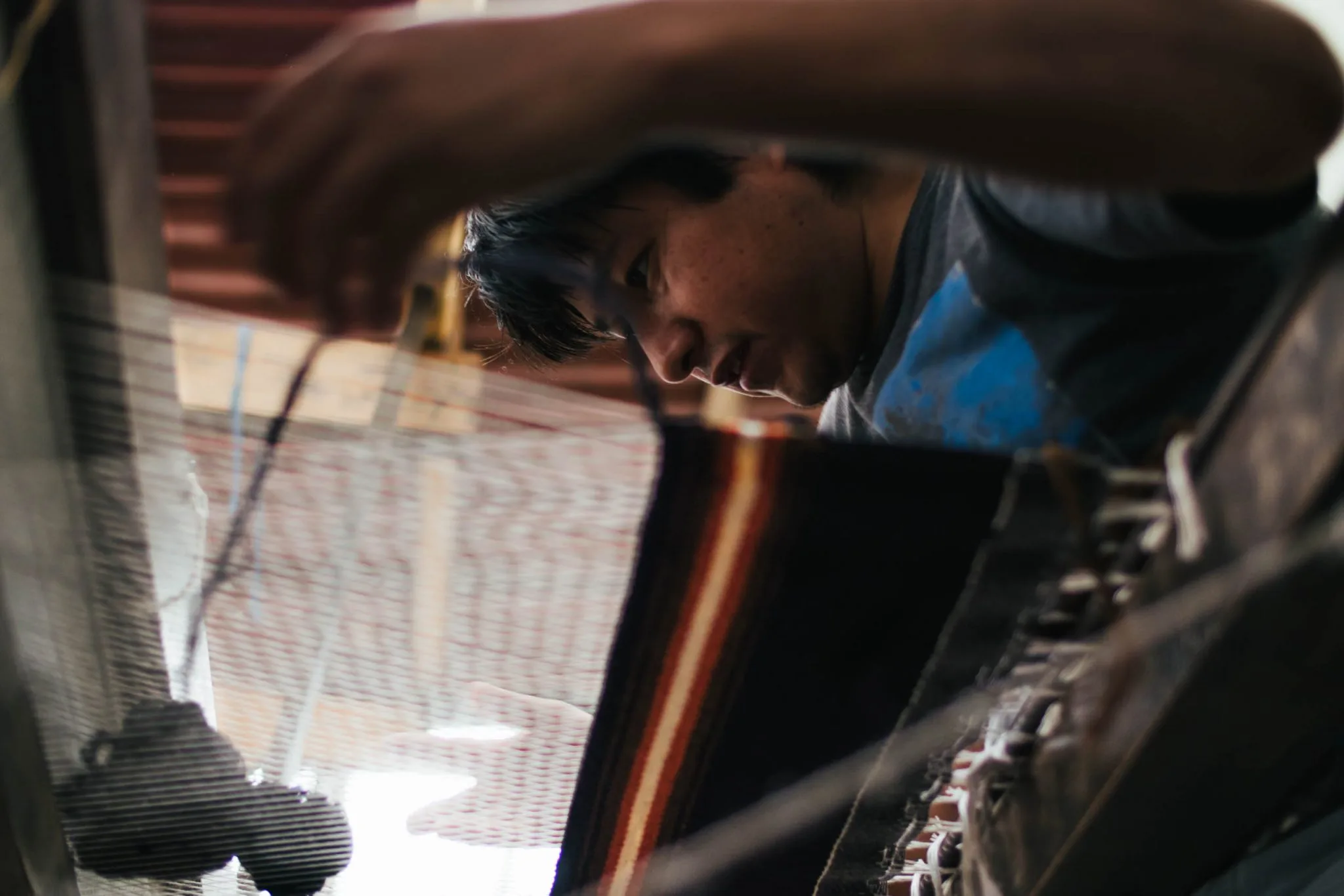
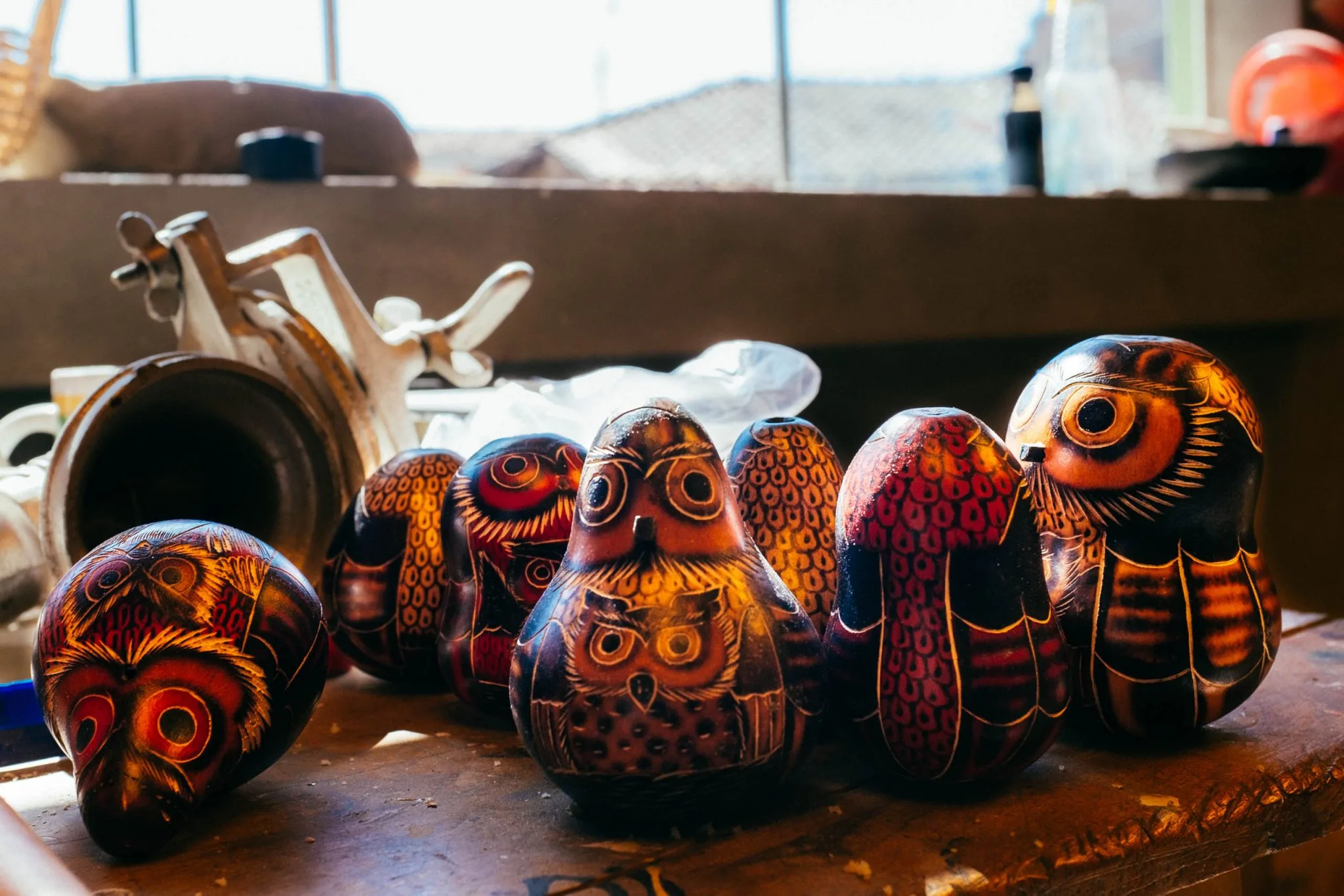
Every craft is a family business. And through generations, one father throws the pottery, and his daughters paint it. A widow finds meaning in continuing her husband's work with leather. A son prefers the independence of working with his father, making alpaca rugs.
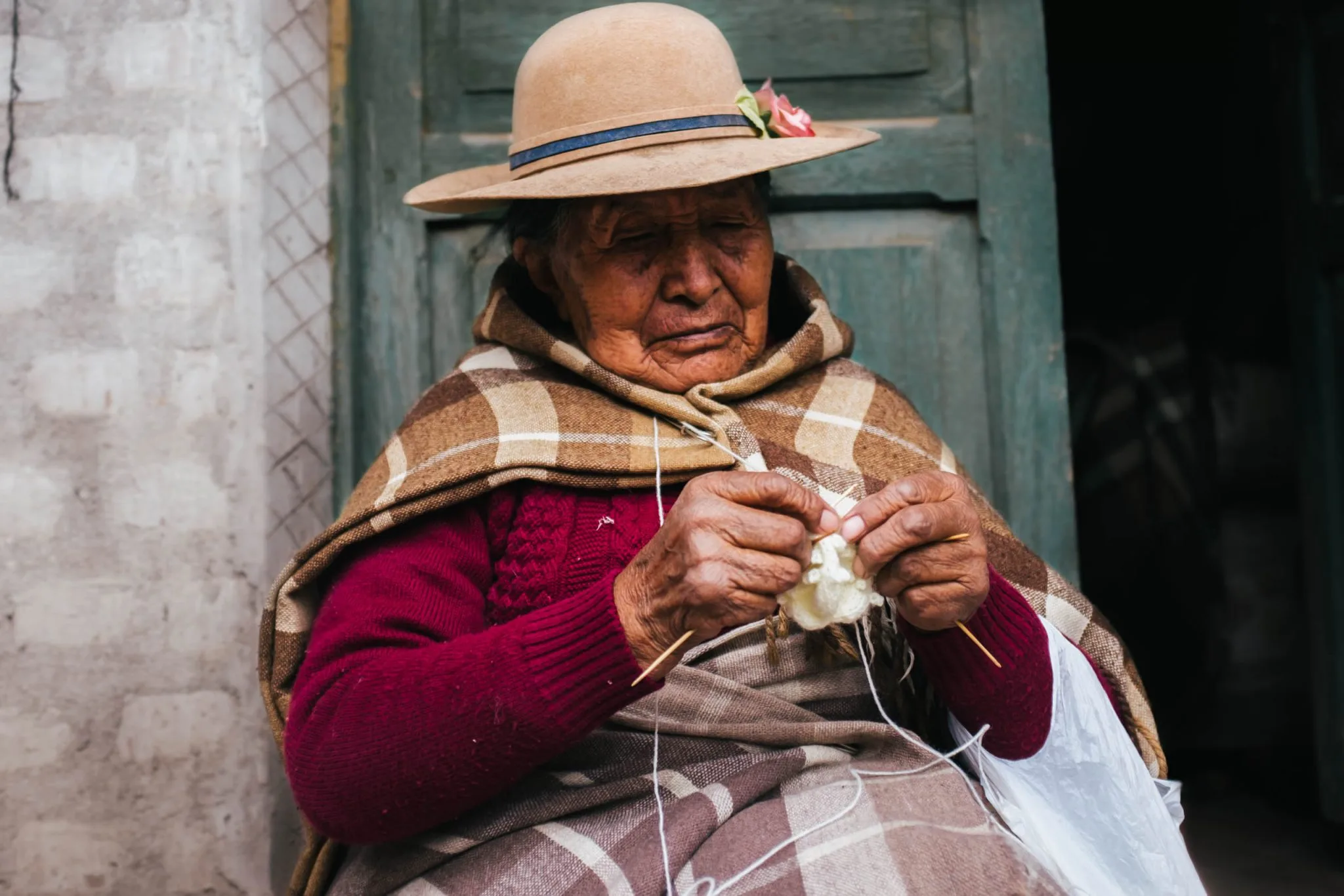
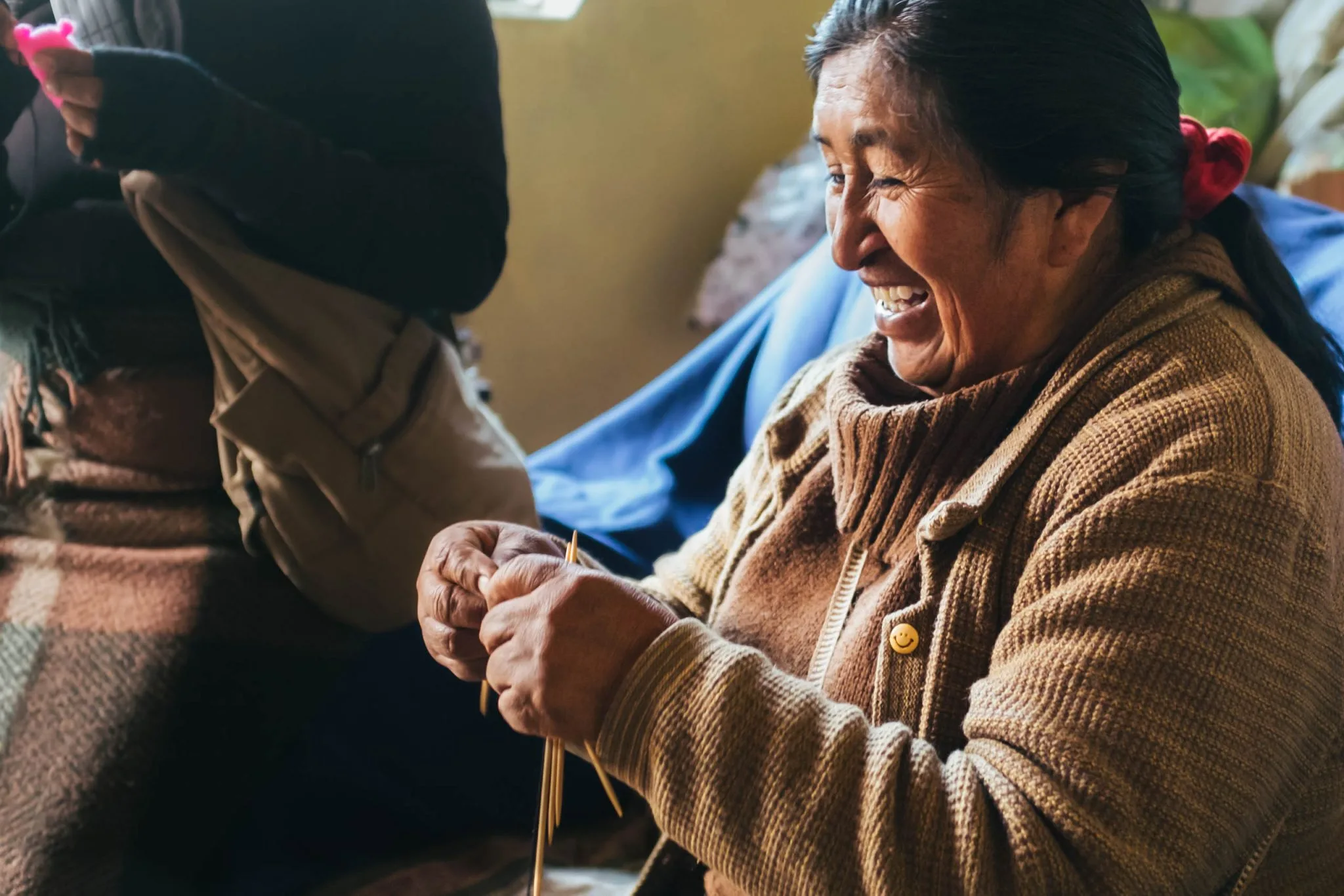
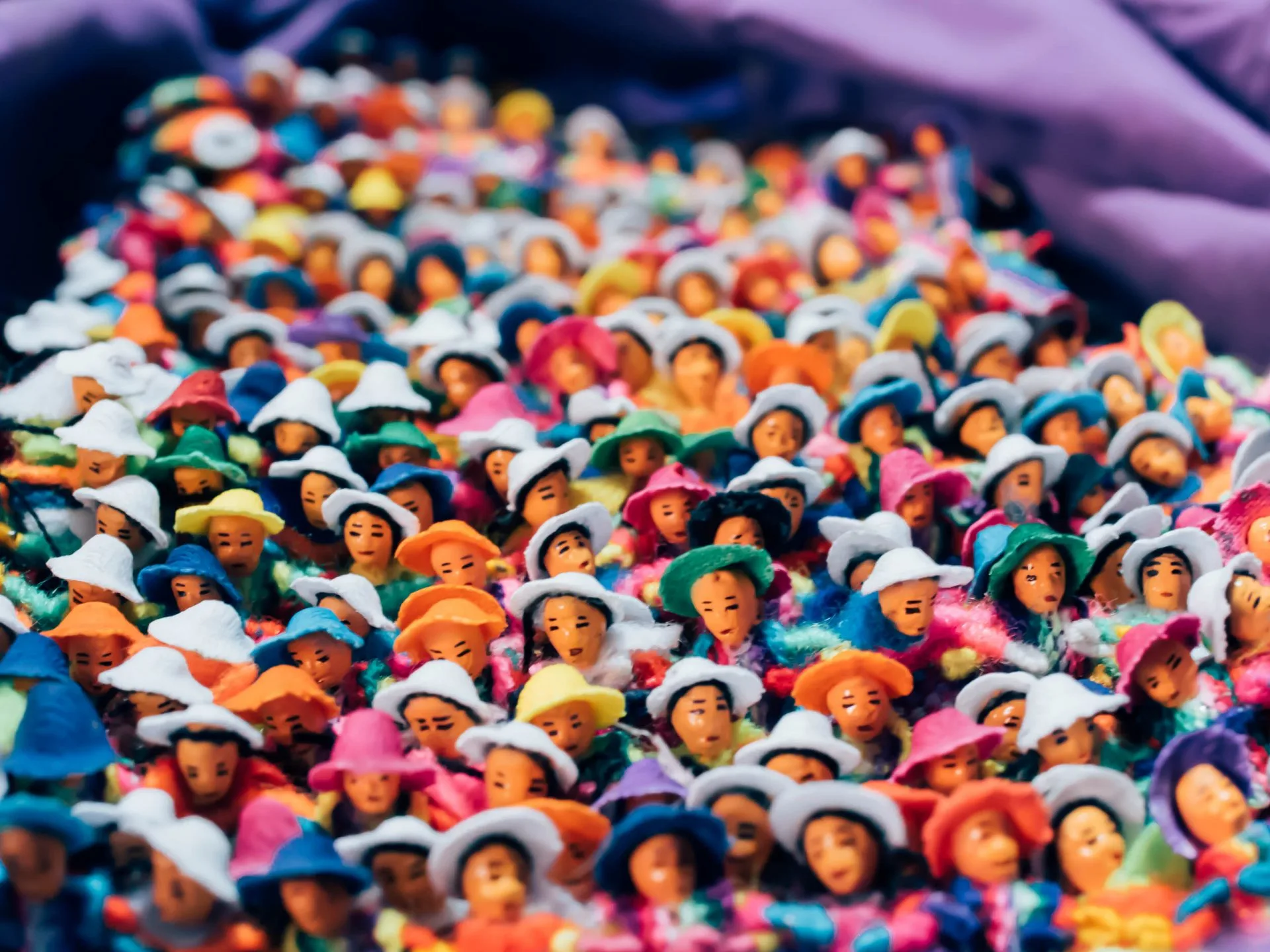
Three generations of finger-puppet makers. Mabel's family has added their own touch to the craft they inherited.
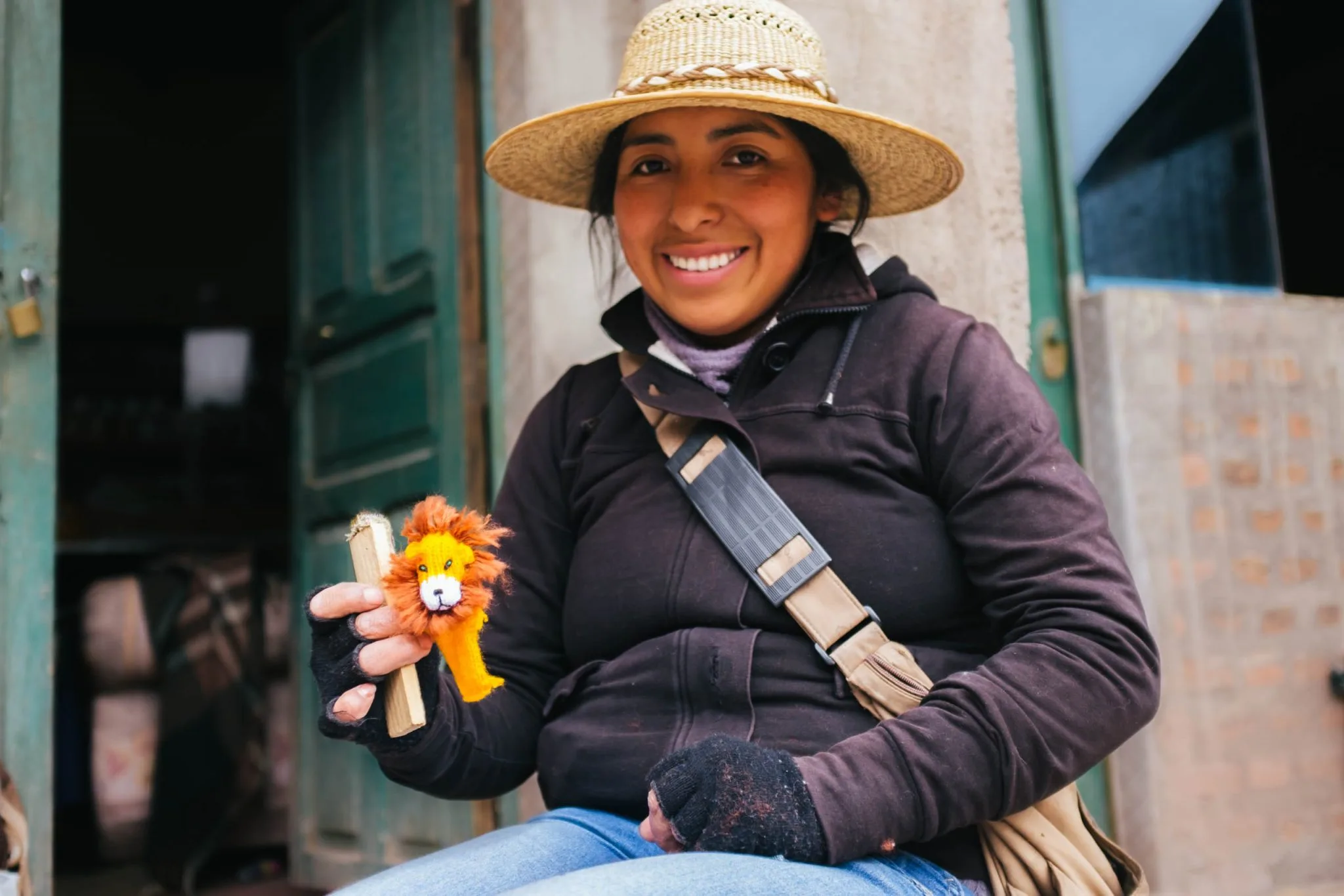
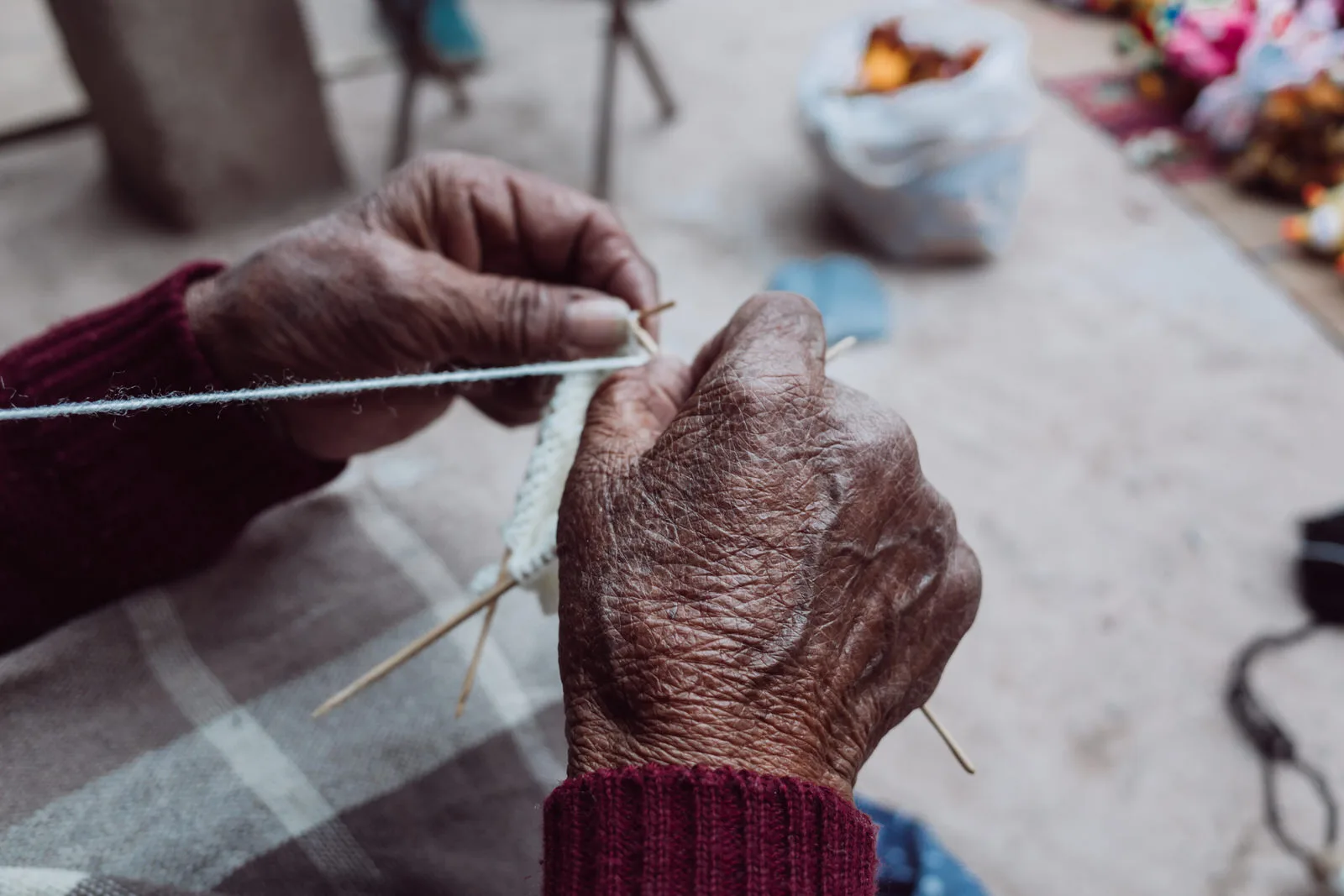
“The art I carry in my blood. It started with my grandparents, then my parents, myself and my kids too.”
Making it their own
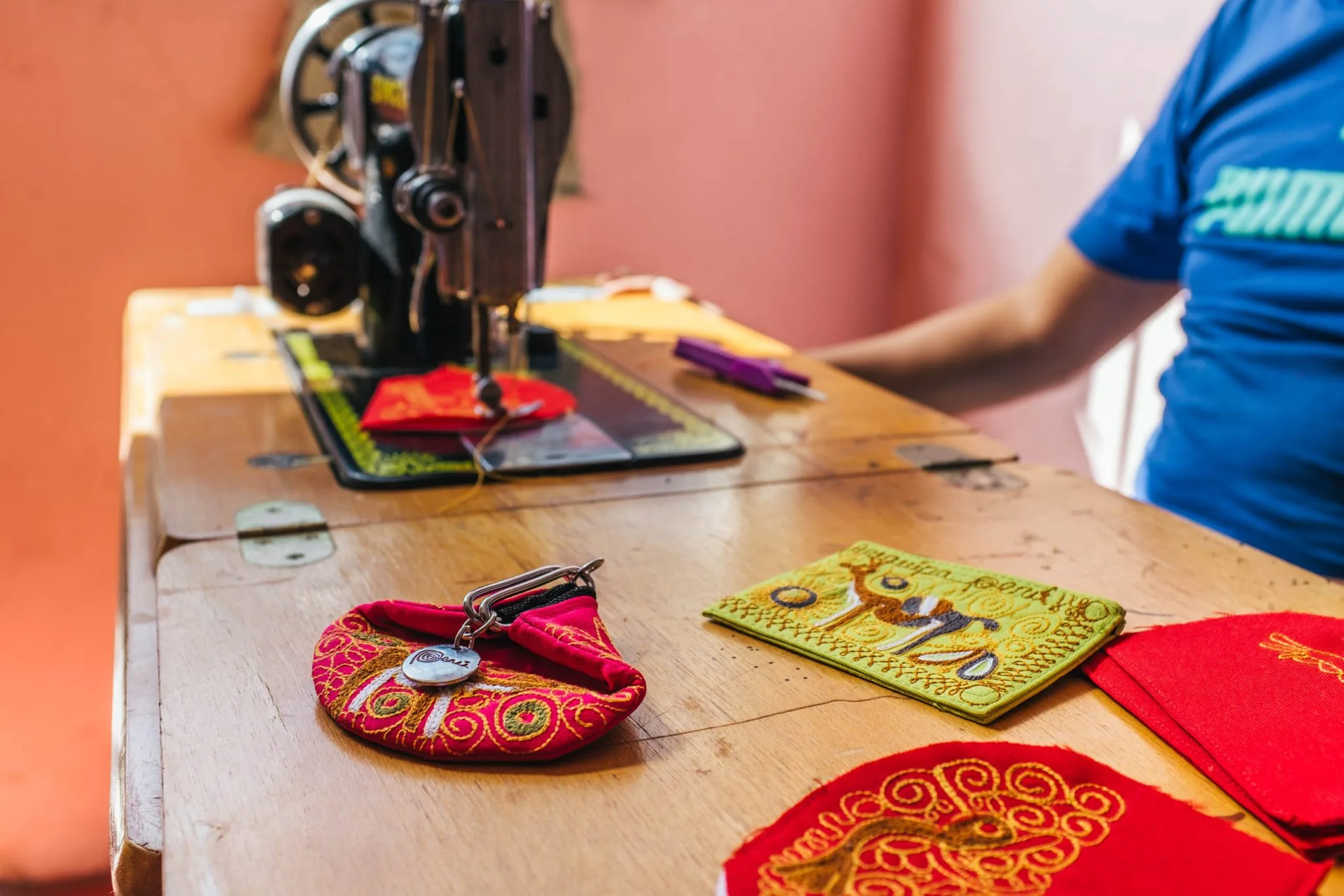
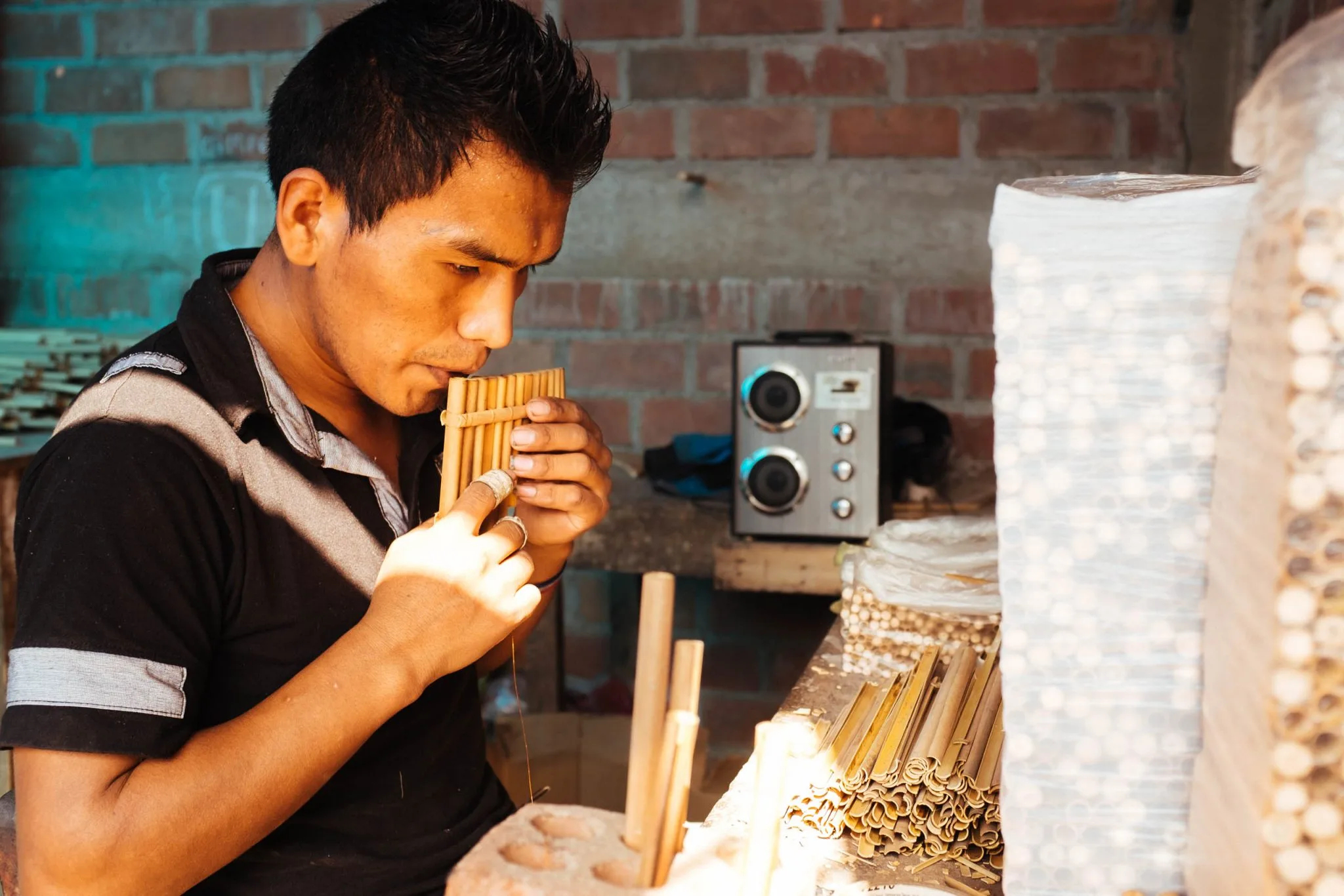
Every story shares a common thread, with each generation carrying on the tradition and evolving it through their own artistic vision. One maker took up Colca embroidery when few people knew it, and now stitches it into purses and bags. The craft never stands still: it keeps improving, with its cultural and generational roots as the foundation.
Never dies
Mass production undercuts the artisans' work, and every generation faces the risk of abandoning the art. Some walk away; some come back. As José Yaksa puts it: “Crafts will never die. We'll just transform them.”
Where it lives on
A decade later, the films still play on Sanyork's store. They give a voice to the art before the transaction. Every piece now shows its artisan, and the fair trade label has its story.